
Moonstone: The Mystical Gemstone of Tranquility
Moonstone, with its ethereal shimmer and milky appearance, is a semiprecious gemstone that has enchanted individuals for centuries.

Known for its mystical allure and captivating play-of-light, this gemstone carries a fascinating history and continues to be cherished today. Let us explore the scientific specifications, origins, mining practices, and historical significance of moonstone.
Scientific Specifications and Origin
Moonstone belongs to the feldspar group of minerals and is known for its unique adularescence, which is an iridescent play-of-light that seems to float beneath the surface of the stone. The effect is caused by light scattering off the internal structures of the gemstone, creating a captivating glow reminiscent of moonlight.
Moonstone is formed through the process of exsolution, where two different minerals separate within the same crystal during its formation. This phenomenon leads to the development of the distinctive shimmer that is characteristic of moonstone.
Main Sources and Modern Mining
Moonstone is found in various regions around the world, with notable sources including Sri Lanka, India, Madagascar, Myanmar, and the United States (specifically Florida). Sri Lanka, in particular, is famous for its high-quality moonstones with a stunning blue adularescence.
Modern mining techniques involve both open-pit and underground mining methods to extract moonstone from the earth. Geologists identify potential deposits through surveys, and miners use specialized tools and equipment to extract the gemstone-bearing rocks. The extracted material undergoes careful sorting and processing to preserve the delicate moonstone.
Once mined, moonstones are skillfully cut and polished to reveal their captivating adularescence. The gemstone is often shaped into cabochons or smooth beads to enhance its mystical glow and serene appearance.
Historical Significance
Moonstone has a rich historical significance and has been associated with various cultures and beliefs. In ancient times, it was believed to be a sacred gemstone, connected to lunar deities and the rhythms of the moon. It was often considered a symbol of femininity, intuition, and inner growth.
Throughout history, moonstone has been considered a stone of tranquility and balance. It is believed to possess soothing energies, providing comfort during times of emotional upheaval and promoting emotional healing and calmness.
Today, moonstone continues to be a popular gemstone in jewelry designs, particularly in bohemian and spiritual-inspired jewelry. Its alluring play-of-light and associations with intuition and serenity make moonstone a cherished gemstone for those seeking a deeper connection with themselves and the universe.
In conclusion, moonstone's scientific specifications, origins, mining practices, and historical significance contribute to its allure as a semiprecious gemstone. Its mystical adularescence and tranquil energy make moonstone a beloved gemstone that continues to inspire wonder and fascination among gem enthusiasts and jewelry lovers alike.
More about gemstones
Newest Shenanigans
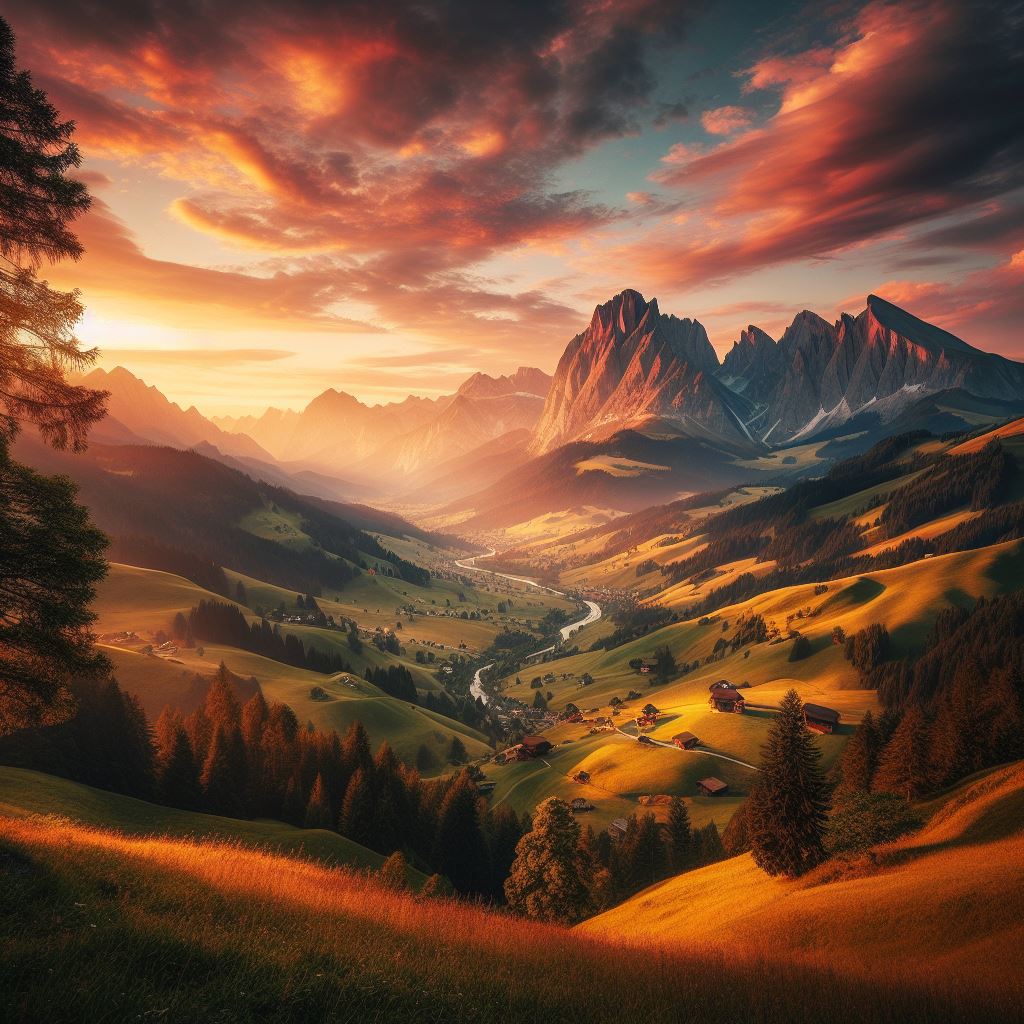 | The Enchanting Ways of Austria Austria boasts a breathtaking tapestry of landscapes, from the soaring peaks of the Alps to the rolling hills of the wine regions. |
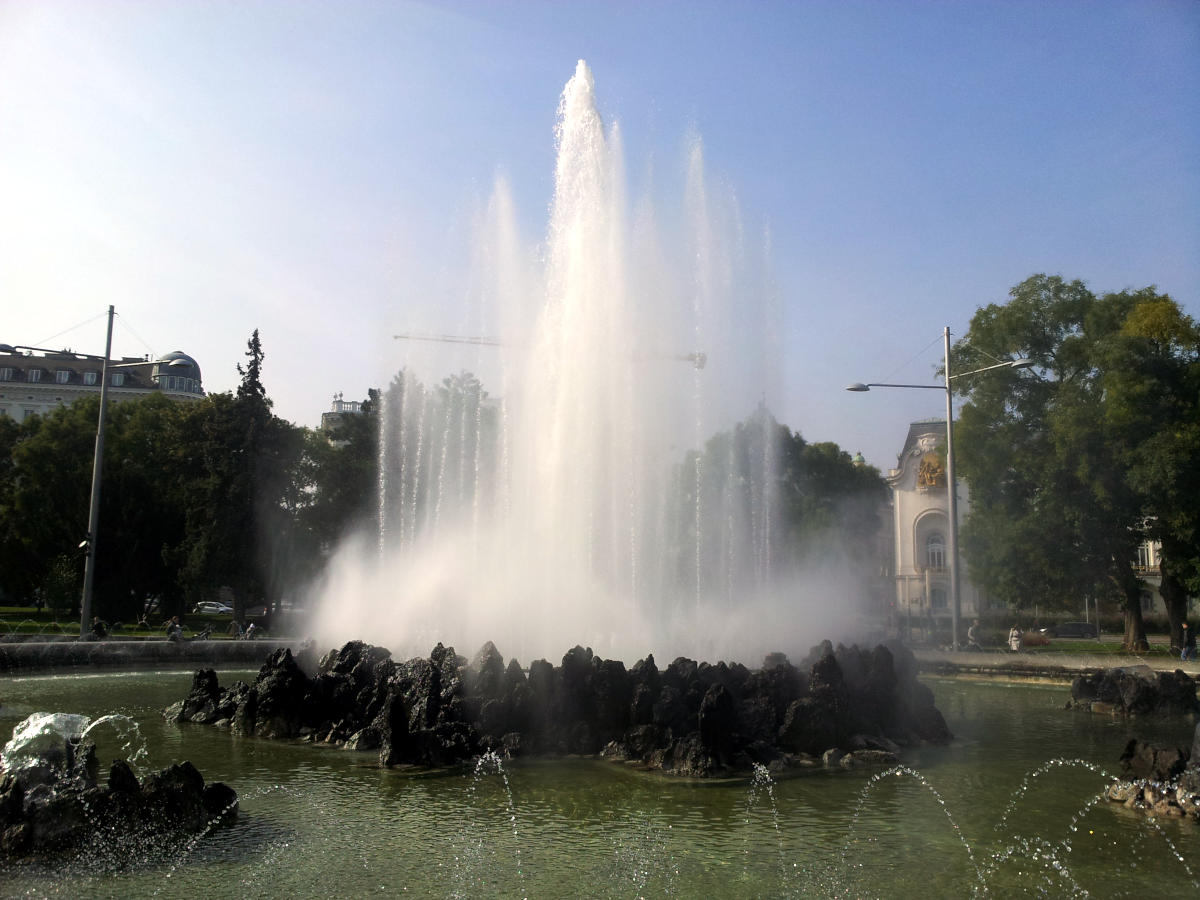 | 12 must-see attractions in Vienna, Austria There is never enough time to fully discover and appreciate a historic capital like Vienna, but we can try. So here is a list of 12 must-see attractions in Vienna. |
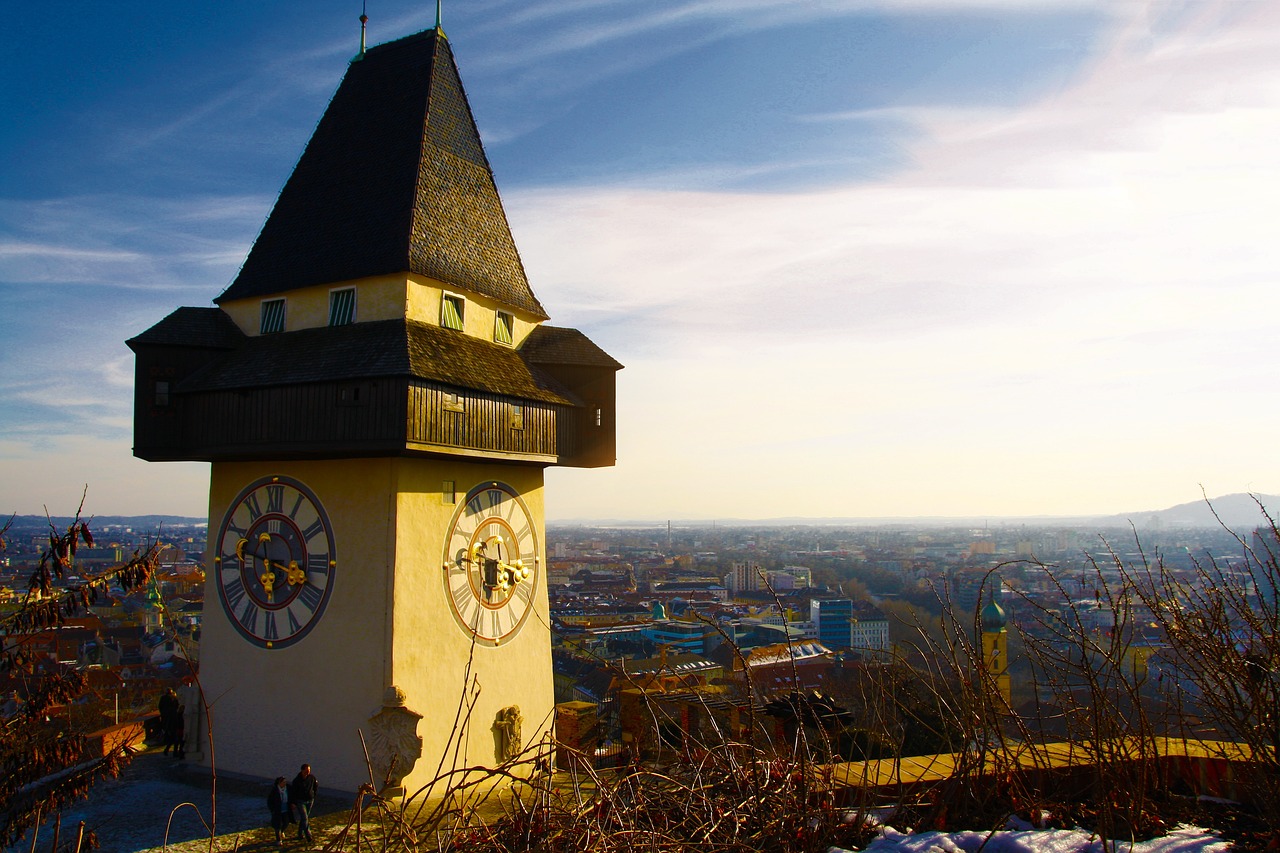 | 12 must-see attractions in Graz, Austria If you have time on your hand, I recommend to discover Graz by yourself. But time is tricky to come by these days, so here is a list of 12 must-see attractions in Graz, Austria. |
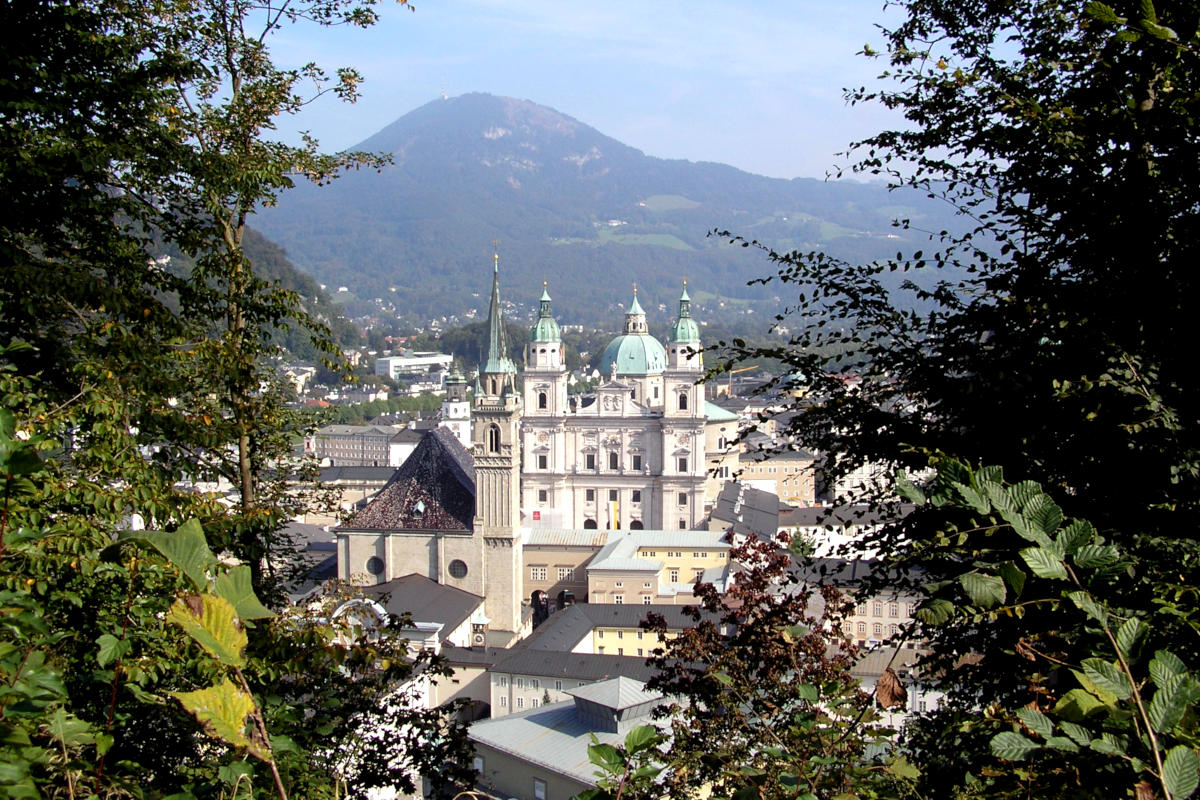 | 12 must-see attractions in Salzburg, Austria Like most places on our planet, Salzburg is a city you need time to fully discover and appreciate. However, time is always hard to come by these days. So here is a list of 12 must-see attractions in Salzburg. |
 | Some museums to visit in Salzburg Salzburg is a city rich in culture and history, so naturally it features many interesting museums. By all means, the list is not complete, but I try to add the small museums too. |
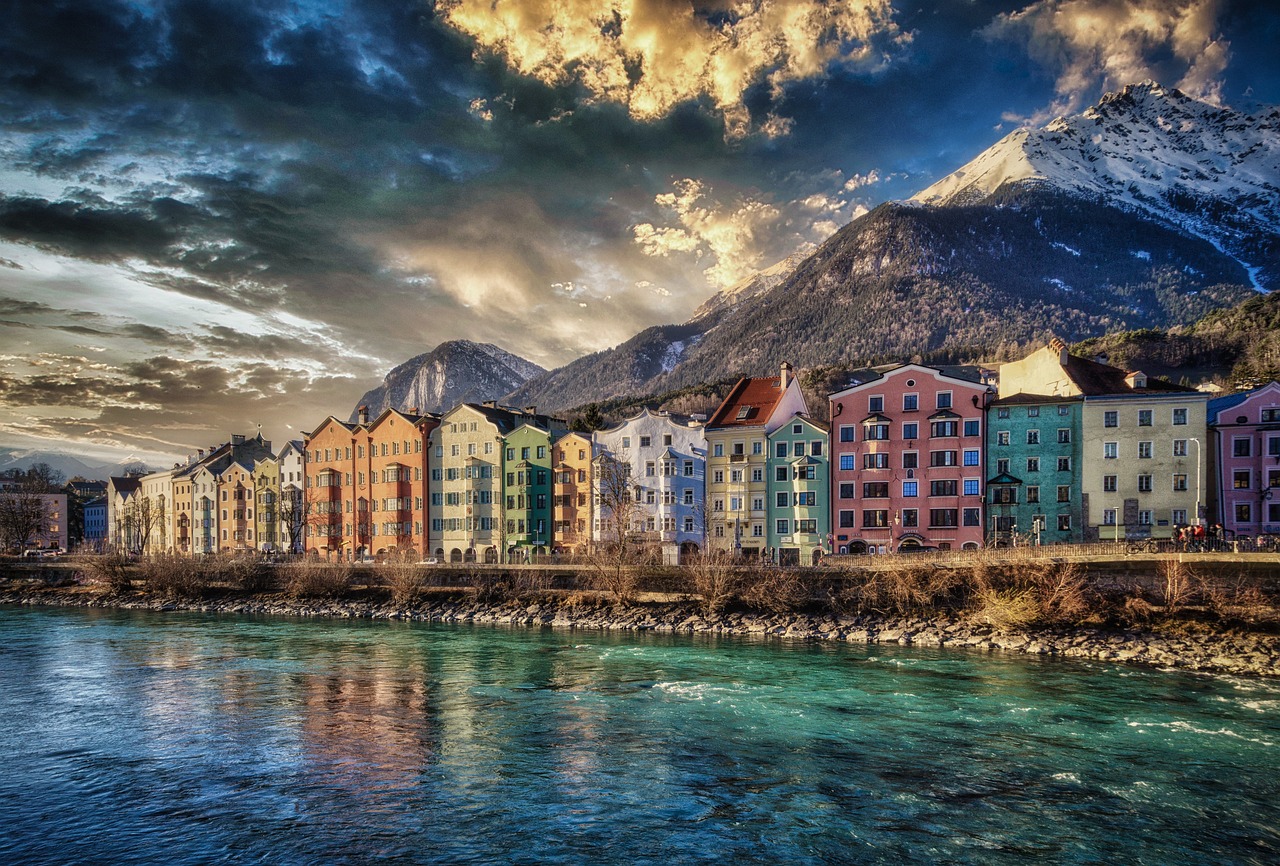 | 12 must-see attractions in Innsbruck, Austria Of course the best way to discover a city rich in culture and history like Innsbruck would be to spend a lot of time there. But since time is often an issue, here are 12 must-see attractions in Innsbruck, Austria. |
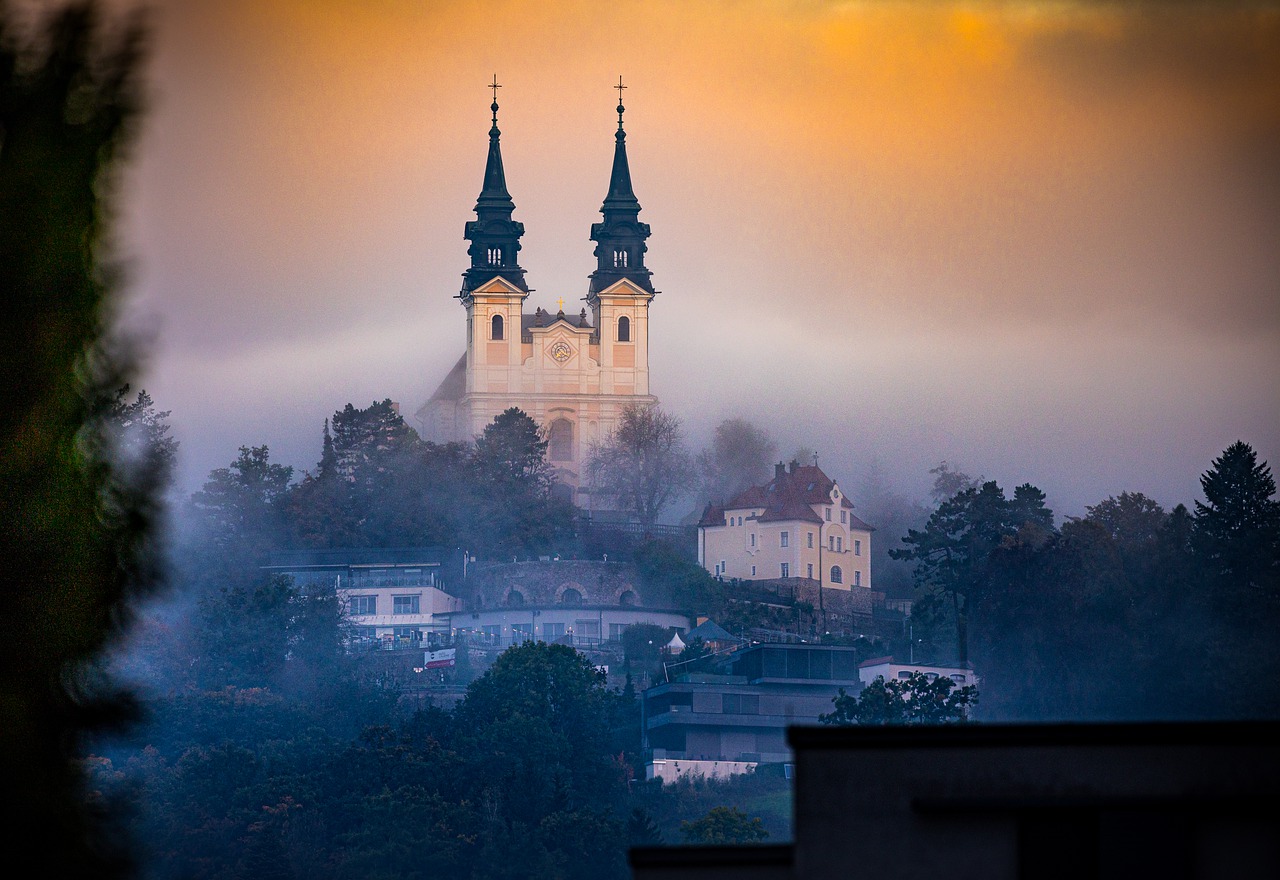 | 12 must-see attractions in Linz, Austria For us people of Salzburg, Linz is just a short hop away by train - so we can visit often. If you are short on time however, here are 12 must-see attractions in Linz, Austria. |